

What Is Analysis Paralysis in Trading?
Information Overload in the Markets
Analysis Paralysis. Where the sheer amount of information the market creates and reacts to every second is more than we could process in our lifetimes. And yet patterns exist, there are buyers for every seller, bulls for every bear and a multitude of indicators screaming different things at you all at the same time.
Everyone has their own favorite strategies, their one indicator that trumps all others. But the truth is, the best indicator is the one that helps you keep a system. The best strategy is the one that you can find consistency in.
The Real Key: Strategy Over Signals
Trading Psychology and Personal Biases
Traders are human, we have our own biases, our own psychology, our own experiences, and despite all the AI in the world, we still program our own tendencies into even the most algorithmic strategies.
So how do you navigate indicator overload? First, let’s separate out the types of categories indicators in general fall into, and then use your own strategies and weaknesses as a trader to determine which ones will give you information you can use, and which ones are extraneous.
Categories of Technical Indicators
1. Trend-Following Indicators
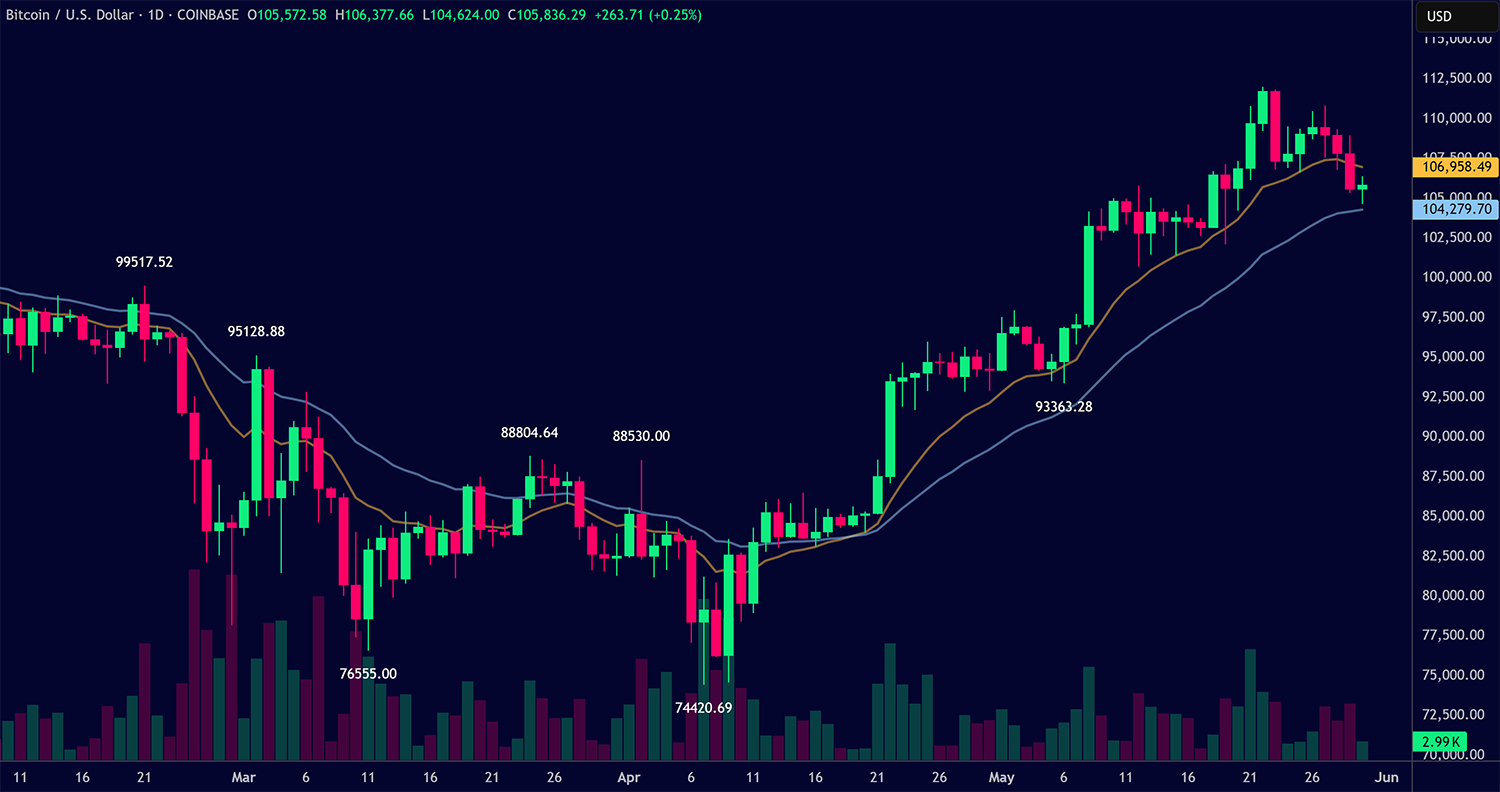
One of the most common indicators used is moving averages. Moving averages take the average price over the range of a specified number of candles in a given time frame. The idea is that if the price is trading above that level, it is generally considered strong, and below it is considered weaker. Where things start to get tricky is in the how. Short term moving averages will generally only define trends for shorter term traders, and longer term moving averages will be places that institutions, media and large swing traders generally watch.
Moving averages are very trend dependent. Which means that during strong up or down trends, they can provide great measures of support and resistance, but during sideways trends they become murky.
Within moving averages, you have other hold the trend indicators that act in similar fashion. Examples include TradeKeeper, PSAR, Bollinger bands and Keltner Channels.
2. Extreme Condition Indicators
The second grouping of indicators are what I call extreme indicators. These are indicators that indicate in some fashion or another that the boat is being loaded a little heavy on one side, and that a mean reversion or consolidation is more likely than not to occur. Extreme indicators can help traders find entries for new trades, or exits for working trades as the large portion of a move starts to become exhausted. Historical RSI and RSI, PCALL ratio, Volume Profile, Stochastic RSI, BackBurner, TD Sequential, SuperStack, and Money Flow Index are all examples of extreme indicators. Generally speaking these are indicators that are less useful strictly on their own, but can be used in conjunction with other patterns and technical indicators to identify potential short term reversals.
3. Setup Indicators
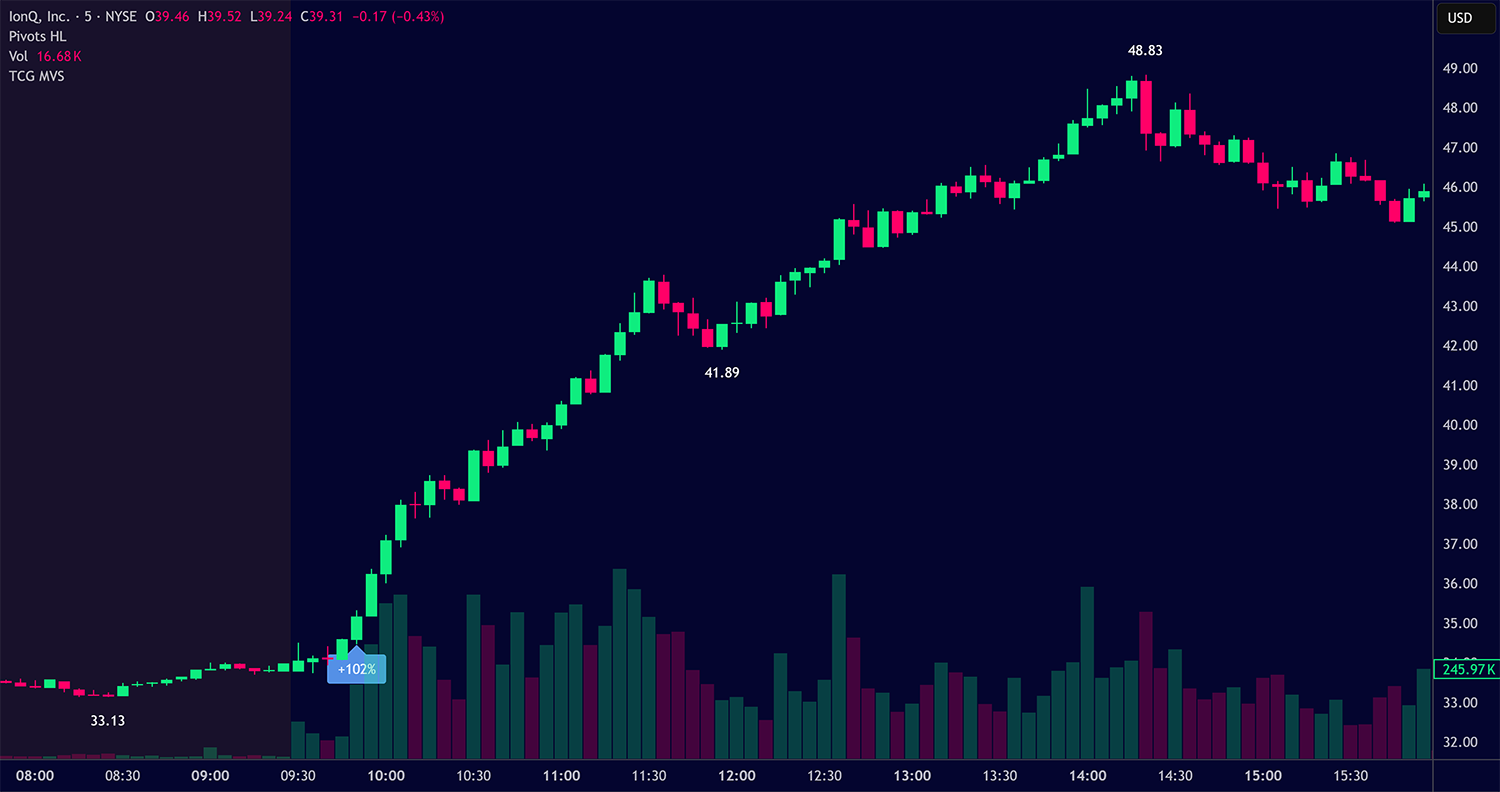
The third grouping of indicators are what I call setup indicators. These are indicators that don’t reflect a change in the market, or really even a trend, but they identify areas where a trade might happen once the market changes from the readings. TTM squeeze, Inside Bar indicators, Volume Surge Indicator allow you to watch for not just trends, but for setups that are likely to pull away from status quo.
Now that we know the categories of indicators, we can narrow down the types of trades we prefer to take in order to choose the indicators that might best fit our strategies, and the part of the strategy they are useful for.
Matching Indicators to Your Trading Style
Trend Traders: Patience and Confirmation
If you are a trader that likes to play entirely with the trend, patient and only playing largely unidirectional, you are likely to be less influenced by the extreme indicators, and more likely to favor indicators that help you stay in a trend once it is established. Setup indicators and slightly longer term moving averages will allow you to find and execute trades, staying with the trend while it exists.
Mean Reversion Traders: Timing and Extremes
If you are a mean reversion or oversold bounce trader, who loves the thrill of extreme opportunities, who revels in the ability to buy while there is blood in the streets, or short a third gap up for exhaustion, then having an extreme indicator or two that work in conjunction with your setup can help to identify the extreme scenarios where reversions tend to occur.
Final Thoughts: Building Your Own System
No One-Size-Fits-All Solution
Putting it all together. Most people try to find the one magic indicator. The one indicator that will create their strategy for them, change their life and allow them to trade twenty minutes a day then golf. But in reality, it’s the way we choose to create a strategy around our personal style, like a wardrobe that reflects who we are, but is also functional for the weather that will dictate which indicators are useful to our plan, rather than the other way around. Most traders will end up using a combination, one to find a setup, one to dictate an entry, one to stick with the trend, and one to find an exit. (Often the entry trend and exit can all be found by one strategy depending).
Eliminate Noise, Elevate Clarity
So if you’re feeling analysis paralysis, first decide what type of trades you want to take. Then decide which indicators can give you the tools you need to execute that strategy. Then eliminate the noise.
Further Reading
Need some help to understand your own trading psychology / personality type? Check out our free E-book: Understanding Your Trading Psychology
