


Why Losses Don’t Have to Control You
Fear of losing is one of the biggest hurdles traders face. On paper, everyone knows that losses are unavoidable, but knowing it is not the same as being comfortable with it. Fear creeps in when it is time to click buy or sell, and suddenly the logical side of our brain is battling the emotional one. Let's explore practical ways to shift your mindset so you can enter trades with confidence, manage risk, and avoid being paralyzed by the possibility of a loss.
1️⃣ Repetition Builds Comfort
Think back to childhood. Many of us dreaded injections at the doctor. The first few times felt terrifying, but eventually, after enough repetitions, it became routine. You still did not enjoy it, but you knew what to expect and the fear faded. Trading works the same way. The more trades you take and the more losses you accept, the more normalized they become.
Over Dan's entire trading career, he has taken losses every single week. They are not failures, they are simply the cost of doing business. Once you internalize that, fear has much less control. Losses stop feeling like disasters and start feeling like another step along the path to the next opportunity.
👉 Consistent exposure makes losses less painful. They are just part of the process.

2️⃣ Start Small, Train the Mind
If fear is stopping you from pulling the trigger, start by reducing your size. Trade small enough that the outcome barely moves your account balance. The point is not to hit home runs, the point is to desensitize yourself. Once you can take ten, twenty, thirty small losses and still feel calm, you will have trained your brain for the bigger moments.
This is like building a muscle. You do not start at the heaviest weight in the gym. You start light, get the form right, and build strength over time. Trading is no different. Lowering your size allows you to practice without putting your capital or confidence at risk.
👉 Small size turns fear into practice. Over time, you learn to trust yourself to handle larger positions.
3️⃣ Mental Reps Count Too
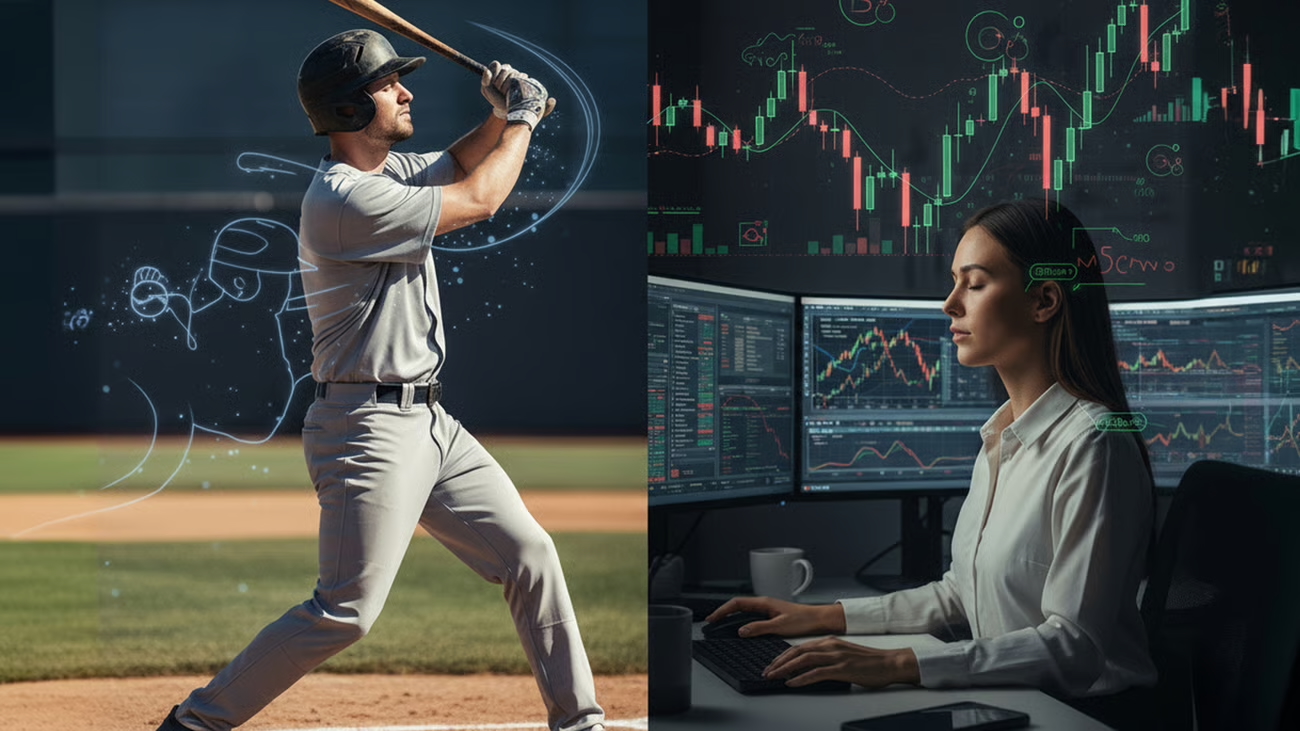
You do not always need live trades to practice. Mental rehearsal is a powerful tool. Athletes visualize the perfect swing, shot, or routine before they perform it. Gamers map out boss fights in their minds before they switch on the console. Traders can do the same.
Imagine entering a trade, watching it go against you, and then calmly accepting the stop loss. Picture yourself logging it, reviewing the setup, and being okay with the outcome. These mental reps trick your brain into believing it has already lived through the experience. When the real thing happens, you are less likely to freeze or panic because your brain has already rehearsed the response.
👉 Your brain cannot tell the difference between imagined practice and lived experience. Use that to your advantage.
4️⃣ Look at Other Parts of Life
Losses are not unique to trading. Every skill, sport, or pursuit comes with misses.
-
A basketball player with a 40% shooting percentage misses more than half their shots. Yet that 40% makes them elite.
-
A fighter does not land every punch, but they can still win the match.
-
In video games, you do not finish with a perfect health bar. You sacrifice some "life" to progress to the next level.
Trading is the same. You cannot avoid losses, but you can frame them as necessary steps forward. The missed shots, the wasted health, the punches that never land — they are all part of the path to victory.
👉 Reframing losses as progress makes them easier to accept and learn from.
Closing Thought
Fear never goes away entirely. The goal is not to eliminate it but to learn to function with it in the background. Through repetition, smaller size, mental rehearsal, and perspective, you can train yourself to treat losses as part of the business rather than something to fear. Every trade, win or lose, becomes a building block in your journey.
