


The Reality of How to Invest in SpaceX


SpaceX has become one of the most sought-after private investments in the world, with a valuation exceeding $200 billion and a business spanning commercial rocket launches, government contracts, and the rapidly growing Starlink satellite internet service. Elon Musk's track record with Tesla—where early investors saw extraordinary returns—has only intensified demand from people hoping to get in before SpaceX goes public. The problem is that SpaceX remains a private company, meaning you can't simply open your brokerage app and buy shares like you would with any publicly traded stock.
The Challenge of Private Company Investment
Unlike public companies where anyone with a brokerage account can purchase shares, private companies like SpaceX restrict who can invest and how those investments occur.
The barriers to investing in SpaceX:
-
SpaceX shares don't trade on any public exchange—no ticker symbol, no market orders, no easy access
-
Private company investments are generally restricted to accredited investors who meet specific income or net worth thresholds
-
Even accredited investors can't simply buy shares directly from SpaceX—the company chooses its investors during funding rounds
-
Secondary market transactions where existing shareholders sell their stakes involve high minimums, limited availability, and significant fees
-
Most retail investors have no legitimate path to direct SpaceX ownership before an IPO occurs
-
The intense demand for SpaceX shares has created fertile ground for scams and fraudulent offerings
What This Article Covers
Understanding how to invest in SpaceX requires separating legitimate options from wishful thinking and outright scams.
Topics this article will explain:
-
Why SpaceX attracts such intense investor interest and what drives its valuation
-
How private company investment works and why most people are excluded
-
Secondary market platforms where SpaceX shares occasionally trade and their requirements
-
Pre-IPO funds and investment vehicles that hold SpaceX positions
-
Brokerage offerings expanding into private company shares
-
Indirect exposure through public companies connected to SpaceX
-
The possibility of a future IPO and what that might look like
-
Risks specific to pre-IPO investment including scams, illiquidity, and valuation uncertainty
-
Whether pursuing pre-IPO SpaceX investment makes sense for your situation
The Bottom Line: Learning how to invest in SpaceX before the IPO reveals a landscape of limited options, high barriers, and significant risks that most retail investors underestimate—this article will help you understand what's actually available, what's realistic for your situation, and whether the pursuit is worth the effort and risk involved.
Why SpaceX Attracts Investor Interest


The intense demand to figure out how to invest in SpaceX stems from the company's extraordinary growth, dominant market position, and the potential for massive returns if it eventually goes public. SpaceX isn't just another tech startup hoping to find product-market fit—it's an established company with billions in revenue, long-term government contracts, and a satellite internet business growing faster than almost anyone predicted. The combination of proven execution and enormous future potential creates the kind of investment opportunity that people don't want to miss.
Why investors are so eager to own SpaceX:
-
Valuation growth from roughly $1 billion in 2008 to over $200 billion in recent secondary market transactions, representing extraordinary appreciation for early investors
-
Starlink satellite internet generating billions in annual revenue with a growing subscriber base exceeding 3 million users across 70+ countries
-
Multi-billion dollar contracts with NASA for crewed missions, cargo transport, and lunar landing systems providing stable, long-term revenue
-
Commercial launch dominance with SpaceX capturing the majority of global orbital launches and undercutting competitors on price through reusable rockets
-
Elon Musk's track record with Tesla, where investors who held through volatility saw one of the greatest wealth-creation events in stock market history
-
The broader commercial aerospace market expected to grow substantially as satellite communications, manufacturing, and tourism expand
-
First-mover advantages in reusable rocket technology that competitors have struggled to replicate despite years of effort
-
Starlink's potential expansion into direct-to-cell service, aviation connectivity, and maritime applications creating additional revenue streams
-
Defense and national security contracts positioning the company as strategically important to government interests
-
Speculation that a future IPO—particularly a Starlink spinoff—could generate Tesla-like returns for pre-IPO shareholders
The Tesla Effect
Much of the frenzy around SpaceX investment traces directly to what happened with Tesla. Early Tesla investors who believed in Musk's vision and held through years of skepticism, short-seller attacks, and near-bankruptcy saw returns that changed their financial lives.
A $10,000 investment in Tesla's 2010 IPO would be worth well over $2 million today, and people who bought during the dark days of 2018-2019 still saw 10x or better returns. This history creates powerful motivation for investors who see SpaceX as the next opportunity to get in early on a Musk-led company before the public markets take notice. Whether SpaceX will replicate Tesla's trajectory is unknowable, but the possibility—combined with the company's genuine operational success—explains why so many people are searching for how to invest in SpaceX before they miss what could be another generational wealth-building opportunity.
The Reality of Investing in Private Companies


Before exploring specific methods for how to invest in SpaceX, you need to understand why private company investment is fundamentally different from buying public stocks. The barriers aren't arbitrary gatekeeping—they exist because private investments carry risks and constraints that regulators have decided most people aren't equipped to handle. Understanding these differences prevents frustration and helps you evaluate whether pursuing pre-IPO SpaceX shares makes sense for your situation.
How Private Companies Differ from Public Ones
Private companies operate under entirely different rules than the public companies you're used to investing in through your brokerage account.
Key differences between private and public company investment:
-
No public exchange means no ticker symbol, no real-time pricing, and no ability to buy or sell whenever you want
-
Limited financial disclosure since private companies aren't required to publish quarterly earnings, annual reports, or material event filings
-
Valuation uncertainty because without daily trading, share prices come from periodic funding rounds or negotiated secondary transactions
-
Restricted transferability means you often can't sell your shares without company approval, even if you find a willing buyer
-
No SEC oversight in the same way public companies face, reducing transparency and investor protections
-
Concentrated ownership where founders, employees, and select investors control the company without public shareholder input
-
Long holding periods often measured in years before any liquidity event like an IPO or acquisition occurs
Accredited Investor Requirements
Most private company investments, including SpaceX shares on secondary markets, require you to qualify as an accredited investor under SEC rules.
To qualify as an accredited investor, you must meet at least one of several thresholds: individual income exceeding $200,000 in each of the past two years with reasonable expectation of the same this year, joint income with a spouse exceeding $300,000 under the same conditions, individual net worth (or joint with spouse) exceeding $1 million excluding your primary residence, or holding certain professional certifications like Series 7, Series 65, or Series 82 licenses. These requirements exist because regulators believe that people meeting these thresholds can absorb potential losses and possess the sophistication to evaluate risky investments. If you don't meet accredited investor standards, most legitimate pathways to SpaceX shares are legally closed to you.
Why Most People Can't Invest Directly
Even meeting accredited investor requirements doesn't guarantee access to SpaceX shares—it simply makes you eligible to try.
Additional barriers beyond accreditation:
-
SpaceX chooses who participates in primary funding rounds, and they aren't accepting random applications from individual investors
-
Secondary market platforms have minimum investments typically ranging from $25,000 to $100,000 or more
-
Share availability is limited since existing shareholders must choose to sell, and SpaceX can restrict or block secondary transactions
-
Due diligence is your responsibility with limited information available compared to public company investments
-
Fees on secondary transactions often run 3-5% or higher, eating into potential returns
-
Competition for available shares is intense, with institutional investors and funds often outbidding individuals
-
Lock-up periods may prevent selling even after you acquire shares, potentially lasting until an IPO or longer
Remember: Understanding how to invest in SpaceX starts with accepting that the private markets operate nothing like public markets—limited access, high minimums, restricted liquidity, and accredited investor requirements mean that most people searching for pre-IPO SpaceX investment will discover they're either ineligible or unwilling to accept the constraints involved.
Secondary Market Platforms


Secondary markets provide the most common pathway for how to invest in SpaceX before an IPO. These platforms connect existing shareholders—typically early employees, former executives, or early-round investors—with buyers seeking pre-IPO shares. Unlike primary funding rounds where companies issue new shares, secondary transactions involve buying existing shares from someone who already owns them. The company receives no money from these transactions, and the shares simply change hands between private parties.
What you need to know about secondary markets:
-
Secondary markets exist specifically for trading shares in private companies that don't have public stock exchanges
-
Platforms act as intermediaries matching buyers with sellers and handling transaction logistics
-
Major platforms include Forge Global, EquityZen, Hiive, and Linqto, each with different structures and requirements
-
Share availability fluctuates based on how many existing shareholders want to sell at any given time
-
Pricing is negotiated or set by the platform based on recent transactions and supply-demand dynamics
-
SpaceX shares appear periodically but aren't always available—demand consistently exceeds supply
-
Companies can block secondary transactions, and SpaceX has historically exercised control over who can buy their shares
-
Each platform has its own fee structure, minimum investments, and accreditation verification process
How Secondary Transactions Work
The mechanics of buying SpaceX shares on secondary markets differ substantially from purchasing public stocks through your regular brokerage.
When shares become available, the platform notifies eligible investors who have expressed interest. You review the offering terms including price per share, minimum investment amount, and any restrictions on the shares. If you proceed, you commit capital that may be held in escrow while the transaction is processed. The platform coordinates with the seller and, in many cases, seeks approval from SpaceX for the transfer. This process can take weeks or even months, and transactions can fall through if the company blocks the transfer or the seller backs out. Once completed, you typically hold shares through a special purpose vehicle (SPV) managed by the platform rather than receiving direct ownership on SpaceX's cap table. This indirect structure has implications for voting rights, information access, and how you'll eventually sell or convert shares during an IPO.
Platform Selection and Due Diligence
Choosing a legitimate platform and understanding the terms requires careful evaluation before committing significant capital.
DO research each platform's track record, including how long they've operated and their history with SpaceX transactions specifically.
DO verify the platform is registered with appropriate regulators—Forge Global, for example, operates a registered broker-dealer.
DO understand the fee structure completely, including upfront fees, carried interest, management fees, and any costs at exit.
DO read all documents carefully, particularly regarding SPV structures, voting rights, and restrictions on transfer.
DO confirm accreditation requirements and be prepared to provide documentation of your income or net worth.
DON'T wire money to any platform without independently verifying their legitimacy through regulatory databases.
DON'T assume all platforms offering SpaceX shares are legitimate—scams specifically targeting SpaceX investor interest have proliferated.
DON'T ignore minimum holding periods or restrictions that could trap your capital for years.
DON'T expect the same protections you receive when buying public securities—private market transactions have far less regulatory oversight.
Risks Specific to Secondary Purchases
Secondary market purchases of SpaceX shares carry unique risks beyond those of typical private company investments.
Valuation on secondary markets may not reflect what SpaceX is actually worth or what shares will be worth at IPO. Prices are set by supply and demand among a limited pool of buyers and sellers, not by comprehensive market price discovery. You might pay a premium driven by hype only to see IPO pricing come in lower. The SPV structure means you own units in a fund holding SpaceX shares rather than shares directly, adding a layer of complexity and fees between you and actual ownership.
SpaceX's right of first refusal allows them to block transactions or purchase shares themselves rather than letting them transfer to outside buyers—transactions you expect to close can be unwound at the company's discretion. Understanding how to invest in SpaceX through secondary markets means accepting these structural risks alongside the general uncertainty of any pre-IPO investment.
Pre-IPO Funds and Investment Vehicles


Another pathway for how to invest in SpaceX involves funds specifically designed to hold shares in high-profile private companies. Rather than purchasing SpaceX shares directly, you invest in a fund that has already acquired shares and pools capital from multiple investors. These vehicles offer exposure to SpaceX without requiring you to source shares yourself, but they come with their own fee structures, limitations, and risks that warrant careful consideration.
What to understand about pre-IPO funds:
-
Venture capital funds, private equity funds, and specialized pre-IPO funds may hold SpaceX positions among their portfolio companies
-
Some funds focus exclusively on late-stage private companies expected to IPO within a few years
-
Special purpose vehicles (SPVs) aggregate investor capital to purchase a single block of SpaceX shares
-
Fund structures vary widely from traditional LP interests to interval funds to Regulation A offerings
-
Investors own units in the fund rather than direct SpaceX shares, creating an additional layer between you and the underlying asset
-
Funds provide diversification if they hold multiple companies, reducing single-company concentration risk
-
Management fees and carried interest significantly impact net returns compared to direct ownership
How These Funds Work
Pre-IPO funds operate similarly to other private investment vehicles, pooling capital from multiple investors to acquire positions that would be difficult or impossible for individuals to access alone.
A fund manager identifies an opportunity to acquire SpaceX shares—perhaps from an employee looking to sell a large block or through secondary market transactions. They raise capital from accredited investors, purchase the shares, and hold them within the fund structure until a liquidity event occurs, typically an IPO or acquisition. Investors receive returns proportional to their fund ownership after the manager takes their fees. Some funds hold only SpaceX, while others hold a portfolio of pre-IPO companies, providing diversification but diluting your SpaceX-specific exposure. The fund manager handles all transaction logistics, regulatory compliance, and administration, simplifying your involvement but also removing your control over timing and pricing decisions.
Fee Structures and Their Impact
Fees on pre-IPO funds can substantially erode returns, and understanding the complete fee picture is critical before investing.
Most pre-IPO funds charge both management fees and carried interest. Management fees typically run 1-2% annually, charged on committed capital regardless of fund performance. Carried interest—the manager's share of profits—commonly runs 20% of gains above a specified hurdle rate. Some funds add administrative fees, transaction fees, or setup fees that further reduce investor returns. If a fund charges 2% annual management and 20% carried interest, your net return on a SpaceX investment differs dramatically from what you'd realize owning shares directly. A hypothetical 100% gross return might net you only 60-70% after fees depending on holding period and fee structure specifics. These fees are the price of access and professional management, but they deserve careful scrutiny.
Due Diligence on Fund Managers
Evaluating the people managing your money matters as much as evaluating the SpaceX investment opportunity itself.
IF the fund manager has no track record with private company investments or recently appeared offering SpaceX shares... THEN proceed with extreme caution—legitimate fund managers have verifiable histories and regulatory registrations.
IF the fee structure is unclear, buried in documents, or seems unusually high compared to industry standards... THEN request complete fee disclosure before investing and consider whether the fees justify the access provided.
IF the fund promises specific returns, guaranteed IPO timelines, or makes claims that seem too good to be true... THEN walk away—no legitimate manager can guarantee private investment outcomes.
IF the fund is registered with the SEC and the manager has verifiable credentials and references... THEN you've cleared initial legitimacy hurdles, but continue evaluating terms, fees, and alignment of interests.
IF the fund holds only SpaceX shares with no diversification... THEN understand you're making a concentrated bet and size your investment accordingly relative to your overall portfolio.
IF the fund holds SpaceX alongside many other pre-IPO companies... THEN recognize that your SpaceX exposure is diluted and evaluate whether the other holdings meet your investment criteria.
Keep In Mind: Understanding how to invest in SpaceX through pre-IPO funds requires evaluating not just SpaceX as an investment but also the fund structure, fee impact on your returns, manager credibility, liquidity terms, and whether the access premium you're paying makes sense compared to waiting for a potential public offering.
Investing Through Brokerages Offering Private Shares
Several major brokerages have expanded their offerings to include private company shares, creating a more familiar pathway for how to invest in SpaceX for investors already comfortable with traditional brokerage accounts. These platforms sit somewhere between dedicated secondary market platforms and standard stock trading, offering private company access within an interface you likely already use. The appeal is convenience and the legitimacy that comes with established financial institutions, though the underlying constraints of private company investment remain.
What's Actually Available
Brokerage offerings for private shares vary significantly in terms of access, structure, and which companies are available at any given time.
Current brokerage landscape for private shares:
-
Fidelity offers private company investments through its wealth management services, though typically for high-net-worth clients
-
Interactive Brokers provides access to certain pre-IPO companies through its SecondMarket acquisition
-
Robinhood has announced intentions to expand into private markets, though availability remains limited
-
SoFi has offered select pre-IPO investment opportunities to its members through partnerships
-
Schwab provides private market access primarily through its institutional and advisor channels
-
Availability fluctuates constantly—SpaceX shares may appear periodically but aren't guaranteed to be accessible
-
Most brokerages partner with secondary market platforms rather than operating their own private share infrastructure
Account Requirements and Differences from Public Stocks
Accessing private shares through brokerages involves different requirements and mechanics than buying public stocks through the same account.
How brokerage private share offerings differ:
-
Accredited investor verification remains required regardless of which brokerage you use
-
Minimum investments are typically higher than public stock purchases, often $10,000 to $100,000 or more
-
Orders don't execute instantly—private transactions take days or weeks to settle and may require company approval
-
Pricing isn't real-time since private shares don't have continuous market pricing like public stocks
-
Holdings may appear differently in your account, sometimes through SPV structures rather than direct share ownership
-
Liquidity is limited or nonexistent—you can't simply sell private holdings whenever you want like public stocks
-
Fee structures vary and may include transaction fees, platform fees, or ongoing management fees not present with public stocks
-
Research and information available is far less comprehensive than what brokerages provide for public companies
-
Customer protections and SIPC insurance may not cover private investments the same way they cover public securities
Did You Know? Fidelity is actually a direct investor in SpaceX, having participated in funding rounds—but this doesn't mean Fidelity brokerage customers automatically have access to SpaceX shares, as the firm's direct investments and customer offerings operate separately.
Did You Know? Some brokerages that advertise private market access are actually routing orders through the same secondary market platforms like Forge or EquityZen that you could access directly, sometimes with additional fees layered on top for the convenience of staying within your existing brokerage relationship.
Indirect Exposure Through Public Companies


If direct pre-IPO investment proves inaccessible or impractical, another approach for how to invest in SpaceX involves buying shares of public companies that have financial connections to SpaceX. This indirect exposure won't replicate the returns of owning SpaceX directly, but it provides some participation in the company's ecosystem through securities you can buy and sell freely on public exchanges. The tradeoff is dilution—SpaceX exposure represents only a tiny fraction of these companies' overall business.
Companies with SpaceX connections:
-
Alphabet (Google) invested approximately $900 million in SpaceX in 2015 and holds an equity stake
-
Fidelity Investments has participated in multiple SpaceX funding rounds through its various funds
-
BAE Systems supplies components and technology used in aerospace applications
-
Howmet Aerospace manufactures precision-engineered components for rocket and aerospace applications
-
Moog Inc. provides motion control and aerospace components to multiple launch providers
-
Kratos Defense & Security Solutions works in satellite and aerospace technology sectors
-
Intuitive Machines and other aerospace companies operate in adjacent markets affected by SpaceX activity
-
Major defense contractors like Lockheed Martin and Northrop Grumman compete with SpaceX but also operate in overlapping markets
Google and Fidelity as SpaceX Investors
Alphabet and Fidelity represent the most direct public market exposure to SpaceX ownership, though the exposure is minimal relative to their overall size.
Alphabet's investment in SpaceX, while substantial in absolute dollar terms, represents a tiny fraction of the company's $2 trillion market capitalization. Even if SpaceX doubled in value overnight, the impact on Alphabet's stock price would be barely measurable. You're primarily buying a search and advertising company with a small venture investment on the side. The same applies to owning Fidelity's publicly traded funds—SpaceX positions exist within diversified portfolios where hundreds of other holdings dominate performance. These investments provide real but heavily diluted SpaceX exposure.
Suppliers and Aerospace Partners
Companies providing components, services, or technology to SpaceX benefit from its success without giving you direct ownership exposure.
Investing in SpaceX suppliers means betting that SpaceX's growth drives demand for their products. If SpaceX launches more rockets, suppliers of aerospace components theoretically sell more parts. The challenge is that SpaceX typically represents a small portion of any supplier's total revenue, and these companies serve many customers across defense, commercial aviation, and other sectors. SpaceX's success might help these businesses, but so many other factors influence their stock prices that the SpaceX connection becomes noise rather than signal.
Limitations of Indirect Exposure
Indirect exposure fails to replicate what direct SpaceX ownership would provide, and understanding these limitations prevents unrealistic expectations.
Why indirect exposure falls short:
-
SpaceX represents tiny percentages of large company valuations, meaning even dramatic SpaceX appreciation barely moves the needle
-
Public companies with SpaceX connections have their own business dynamics that dominate stock performance
-
Supplier relationships can change—SpaceX might switch vendors, bring production in-house, or renegotiate terms unfavorably
-
You gain no upside from SpaceX equity appreciation through supplier relationships—you only benefit from increased business activity
-
Correlation between SpaceX success and public company stock performance is weak and inconsistent
-
Buying aerospace ETFs or sector funds further dilutes any SpaceX-adjacent exposure across dozens of holdings
-
Indirect exposure provides psychological comfort of participation without the financial reality of meaningful SpaceX ownership
Quick tip: If you're buying Alphabet specifically for SpaceX exposure, reconsider your reasoning—you're paying for Google's advertising business and getting SpaceX as a rounding error.
Quick tip: For genuine aerospace sector exposure without pretending it's a SpaceX proxy, consider purpose-built aerospace and defense ETFs that give you diversified industry participation rather than chasing tenuous SpaceX connections.
Waiting for the IPO


For many investors exploring how to invest in SpaceX, the most practical answer might be patience. Rather than navigating expensive secondary markets, meeting accredited investor requirements, or accepting the limitations of indirect exposure, waiting for a public offering provides eventual access through your regular brokerage account with none of the pre-IPO complications. The challenge is that SpaceX has shown no urgency to go public, and timing remains entirely uncertain.
SpaceX's Stated Position on Going Public
Elon Musk has discussed SpaceX going public primarily in the context of Starlink rather than the entire company, and his comments suggest any IPO remains years away if it happens at all.
Musk has stated that SpaceX needs predictable cash flow and operational stability before considering a public offering, specifically mentioning that Starlink should be "in a smooth sailing situation" before an IPO makes sense. He's expressed concern that public market pressures—quarterly earnings expectations, short-term stock price focus, and shareholder activism—could distract from SpaceX's long-term mission. Unlike Tesla, which needed public capital to fund its growth, SpaceX has successfully raised private capital and generates substantial revenue from government contracts and Starlink subscriptions. The financial pressure to go public simply doesn't exist in the same way, giving Musk flexibility to delay indefinitely.
Starlink Spinoff Possibilities
A Starlink-specific IPO represents the most frequently discussed scenario for public market access to part of SpaceX's business.
Potential Starlink IPO considerations:
-
Starlink operates as a distinct business unit with its own revenue stream, subscriber base, and growth trajectory
-
Satellite internet is easier for public market investors to understand and value than rocket launch services
-
Spinning off Starlink could unlock value while keeping the core rocket business private and mission-focused
-
A Starlink IPO would provide liquidity for employees and early investors without exposing the entire company to public scrutiny
-
Musk has specifically mentioned Starlink as the most likely candidate for an eventual public offering
-
Starlink's revenue predictability and recurring subscription model fits public market preferences better than lumpy launch contracts
-
However, no timeline has been announced, and Musk's statements have consistently pushed expectations further into the future
Timing Uncertainty and Speculation
Anyone claiming to know when SpaceX or Starlink will go public is guessing—predictions have repeatedly proven wrong.
Analysts and media outlets have speculated about a SpaceX IPO for years, with predictions consistently failing to materialize. The company has no financial pressure forcing a public offering, and Musk has demonstrated willingness to keep companies private longer than conventional wisdom suggests. Starlink IPO speculation has intensified as the subscriber base grows, but Musk's most recent comments suggest 2025 or 2026 at the earliest, and even those timelines come with significant uncertainty. Planning your investment strategy around a specific IPO date means building on a foundation of speculation. The IPO could happen next year, in five years, or never—SpaceX could remain private indefinitely or be acquired rather than going public.
Preparing to Invest When It Happens
If you've decided that waiting for an IPO is more sensible than pursuing pre-IPO access, you can still prepare to act quickly when the opportunity eventually arrives.
DO set up alerts for SpaceX and Starlink IPO news through financial news services and SEC filing trackers.
DO ensure your brokerage account is funded and ready to act without delays when an IPO is announced.
DO research how IPO allocations work—retail investors often face limited access to shares at the initial offering price.
DO understand that IPO pricing can be volatile, with shares sometimes spiking or dropping dramatically in early trading.
DO consider whether you want to buy at IPO, wait for initial volatility to settle, or average into a position over time.
DON'T assume you'll be able to buy at the IPO price—most retail investors buy in secondary market trading after shares begin trading.
DON'T invest money you'll need before the IPO happens—you could be waiting years longer than you expect.
DON'T let waiting turn into obsession—continue building a diversified portfolio rather than holding cash indefinitely for a speculative event.
The Bottom Line: For most people researching how to invest in SpaceX, waiting for an eventual IPO offers the simplest path with the fewest complications—you avoid accredited investor requirements, high minimums, illiquidity, and premium pricing, though you sacrifice any chance of pre-IPO returns and must accept that timing remains entirely unpredictable.
Risks of Pre-IPO SpaceX Investment
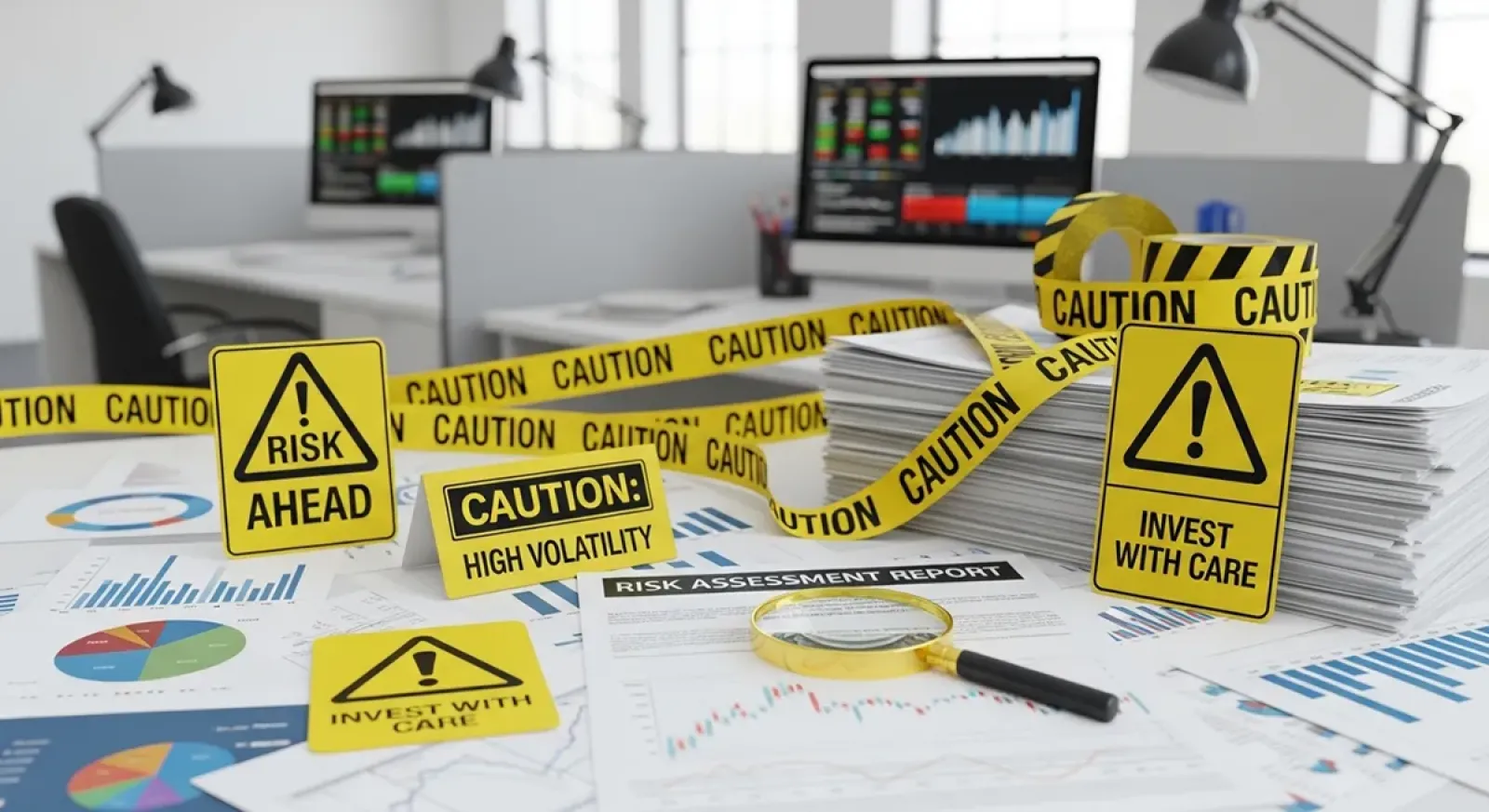
The excitement around how to invest in SpaceX often overshadows the substantial risks involved in pre-IPO private company investment. The potential for exceptional returns exists, but so does the potential for significant losses, extended capital lockup, and fraud. Understanding these risks clearly—not just acknowledging them in passing—is necessary before committing capital to any pre-IPO opportunity.
Risks specific to pre-IPO SpaceX investment:
-
Valuation uncertainty since secondary market prices are set by limited transactions among a small pool of buyers and sellers, not by comprehensive price discovery
-
No guarantee that IPO pricing will match or exceed secondary market valuations—you could pay a premium that never materializes into profits
-
Lack of financial transparency because SpaceX isn't required to publish detailed financials, leaving you with incomplete information to evaluate your investment
-
Limited visibility into operational challenges, cost overruns, contract disputes, or other issues that public companies must disclose
-
Dilution from future funding rounds where SpaceX issues new shares to raise capital, reducing your ownership percentage
-
Down rounds where new funding occurs at lower valuations than previous rounds, directly impairing the value of existing shares
-
Regulatory risks including potential changes to government contracting rules, export restrictions, or aerospace regulations
-
Operational risks inherent to rocket launches, satellite deployment, and cutting-edge technology development
-
Key person risk given SpaceX's dependence on Elon Musk's leadership, vision, and public profile
-
Extended illiquidity where your capital remains locked for years with no ability to sell if your circumstances change
-
SPV structure risks where you own fund units rather than direct shares, adding fees, complexity, and counterparty exposure
-
Platform or fund manager risk if the intermediary holding your investment encounters financial or legal difficulties
-
Right of first refusal allowing SpaceX to block secondary transactions, potentially unwinding deals you expected to complete
-
Scams and fraudulent offerings targeting the intense demand for SpaceX shares, ranging from fake platforms to Ponzi schemes
-
Social media scams, phishing attempts, and impersonators claiming to offer SpaceX investment access
-
Legitimate-looking websites and documents created specifically to defraud people seeking pre-IPO SpaceX shares
-
Wire fraud where money sent for supposed SpaceX shares disappears to offshore accounts with no recourse
The Fraud Problem
The intense demand for SpaceX shares has created a fertile environment for scams that specifically target people searching for how to invest in SpaceX.
Fraudsters know that people desperately want access to SpaceX and will exploit that desire through sophisticated schemes. Fake secondary market platforms with professional-looking websites collect wire transfers and disappear. Impersonators pose as SpaceX employees or fund managers offering exclusive allocation. Social media accounts promote non-existent investment opportunities to their followers.
Email phishing campaigns direct victims to convincing but fraudulent investment portals. The scams work because legitimate pre-IPO investment involves wiring large sums to unfamiliar entities—the process looks similar whether the opportunity is real or fake. Verifying legitimacy requires checking regulatory registrations, confirming identities through independent channels, and exercising skepticism proportional to the opportunity's apparent exclusivity. If someone approaches you offering SpaceX shares through channels that seem too easy or too good, the most likely explanation is fraud.
Is Pre-IPO SpaceX Investment Right for You?


After understanding the mechanics, risks, and limitations of how to invest in SpaceX before an IPO, the question becomes whether pursuing this investment makes sense for your specific situation. The answer depends on your financial qualifications, liquidity needs, risk tolerance, and honest assessment of what you're hoping to achieve. For many people, the honest answer is that pre-IPO SpaceX investment isn't appropriate—and recognizing this isn't failure, it's wisdom.
IF you don't meet accredited investor requirements... THEN legitimate pre-IPO SpaceX investment is essentially unavailable to you, and any opportunity claiming otherwise should be viewed with extreme suspicion.
IF you meet accredited requirements but would need to stretch financially to meet platform minimums... THEN the investment is probably too large relative to your overall portfolio and violates basic diversification principles.
IF you might need access to the invested capital within the next five years... THEN pre-IPO investment is inappropriate because liquidity is nonexistent and holding periods are unpredictable.
IF you're investing money that would significantly impact your lifestyle if lost entirely... THEN this speculative investment carries too much risk for your situation regardless of potential returns.
IF you have substantial liquid assets, meet accreditation easily, and view this as a small speculative allocation... THEN pre-IPO SpaceX investment might fit within a diversified portfolio as a calculated bet you can afford to lose.
IF your primary motivation is fear of missing out on the next Tesla-like opportunity... THEN pause and recognize that FOMO drives poor investment decisions—most private investments don't become Tesla.
Evaluating Your Liquidity Needs
Money invested in pre-IPO SpaceX shares is effectively locked away with no reliable exit until an IPO or acquisition occurs—potentially years longer than you expect.
Before committing capital, honestly assess your financial situation and upcoming needs. Could you handle a job loss, medical emergency, or other financial shock without accessing these funds? Do you have adequate liquid savings separate from this investment? Are major expenses like home purchases, education costs, or retirement approaching that might require capital? Pre-IPO investments should come from truly discretionary wealth that you've mentally written off as inaccessible for the indefinite future. If you're counting on eventual SpaceX returns for any specific financial goal, you're taking on inappropriate risk given the timing uncertainty involved.
Alternative Ways to Gain Aerospace Exposure
If pre-IPO SpaceX investment proves impractical or unsuitable, other approaches provide aerospace industry participation without the constraints of private markets.
Alternatives to consider:
-
Aerospace and defense ETFs like ITA, XAR, or PPA offering diversified sector exposure through liquid, publicly traded funds
-
Individual aerospace stocks including established players like Boeing, Lockheed Martin, Northrop Grumman, or RTX Corporation
-
Pure-play commercial aerospace companies like Rocket Lab (RKLB), which is publicly traded and operates in similar markets to SpaceX
-
Virgin Galactic (SPCE) or other publicly traded companies in adjacent commercial aerospace sectors
-
ARK Invest funds that hold positions in companies connected to aerospace innovation and technology disruption
-
Satellite and communications companies benefiting from industry growth regardless of which launch provider succeeds
-
Waiting for the eventual SpaceX or Starlink IPO and investing through normal public market channels
Realistic Expectations
Maintaining realistic expectations about what pre-IPO SpaceX investment can and cannot deliver helps prevent disappointment and poor decision-making.
The narrative around SpaceX investment often emphasizes the Tesla comparison—early investors who became enormously wealthy through patient conviction. What this narrative ignores is survivorship bias: for every Tesla, countless hyped private companies delivered mediocre returns, lost money, or failed entirely. SpaceX is a remarkable company, but remarkable companies don't always make remarkable investments at current valuations. You might be buying at prices that already reflect optimistic future scenarios, leaving limited upside even if everything goes well. Understanding how to invest in SpaceX means understanding that access alone doesn't guarantee returns, that current secondary market valuations might prove excessive, and that even successful companies can disappoint investors who paid too much or held unrealistic expectations about timing and magnitude of returns.
The Truth About Investing in SpaceX


The appeal of pre-IPO SpaceX investment is undeniable—a chance to own shares in one of the most ambitious and successful private companies in the world, led by an entrepreneur whose previous company rewarded early believers beyond their wildest expectations. The reality is considerably more complicated. Learning how to invest in SpaceX reveals a landscape of high barriers, significant risks, substantial fees, and no guarantee that pre-IPO access translates into exceptional returns. Most people searching for this opportunity will discover they either don't qualify, can't meet the minimums, can't accept the illiquidity, or shouldn't be making speculative concentrated bets given their overall financial situation.
Patience may be the most underrated investment strategy. Waiting for a potential IPO means accepting that you won't capture any pre-IPO appreciation, but it also means avoiding premium secondary market pricing, eliminating fraud risk, maintaining full liquidity, and accessing shares through familiar public market infrastructure with complete transparency. The fear of missing out drives people toward complicated, expensive, and risky pre-IPO pathways when simply waiting might prove equally or more profitable with far less stress and risk. Tesla's greatest returns came years after its IPO, not before—early public investors did extraordinarily well without ever navigating private markets.
Making informed decisions about private investments requires honest self-assessment about your qualifications, needs, risk tolerance, and motivations. If you genuinely qualify as an accredited investor with substantial liquid wealth, understand the risks completely, and view pre-IPO SpaceX as a small speculative allocation you can afford to lose entirely, legitimate pathways exist through established secondary platforms and pre-IPO funds. If you're stretching to qualify, would struggle with total loss, or are primarily motivated by FOMO rather than calculated risk-taking, the wisest decision is accepting that this particular opportunity isn't right for you—and that's not missing out, it's protecting yourself from an investment that doesn't fit your circumstances regardless of how exciting the underlying company might be.
