


The Truth About H-E-B Stock
If you've shopped at H-E-B, you understand why people want to invest in it. The Texas-based grocery chain has built a fiercely loyal customer base through quality products, competitive prices, exceptional customer service, and a genuine commitment to the communities it serves. When a company earns that kind of devotion, it's natural to wonder how you can own a piece of it. The problem is that H-E-B stock doesn't exist—not because the company isn't successful, but because it has chosen to remain privately held by the Butt family that founded it over a century ago.
What This Article Covers
People searching for H-E-B stock information typically want to know if they can buy shares, why they can't if the answer is no, and what alternatives might exist. This article addresses all of those questions directly.
Topics this article will explain:
-
What H-E-B is and the scale of its operations across Texas and Mexico
-
Why the Butt family has kept H-E-B private for over 100 years
-
Why no H-E-B stock exists on any public exchange
-
Whether any indirect investment pathways exist (spoiler: they don't)
-
The likelihood of H-E-B ever going public through an IPO
-
Publicly traded grocery alternatives you can actually invest in
-
Why H-E-B specifically attracts so much investor interest despite being inaccessible
-
How to think about beloved companies that simply aren't available for investment
H-E-B stock cannot be purchased because H-E-B is a privately held company with no shares trading on any public exchange, no plans to go public, and no indirect investment pathways—this article will help you understand why that's the case and what options actually exist for investing in the grocery sector.
What H-E-B Actually Is
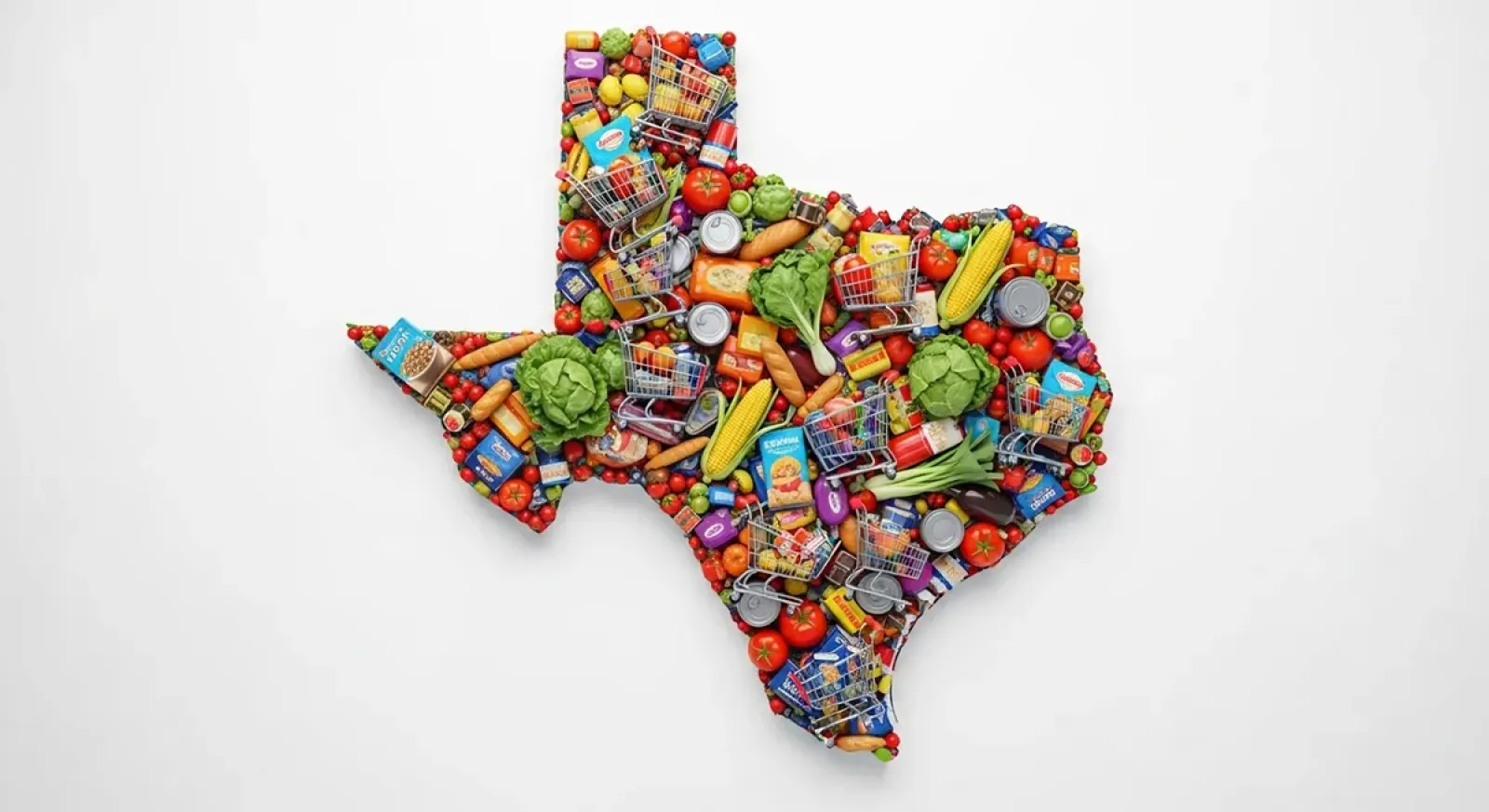
H-E-B is one of the largest privately held companies in the United States, operating as a regional grocery powerhouse that dominates the Texas market with a devoted customer base that borders on fanatical. The company was founded in 1905 when Florence Butt opened a small grocery store in Kerrville, Texas, with a $60 investment. Her son Howard Edward Butt took over and expanded the business, giving the company his initials as its name. Today, the Butt family still owns and operates H-E-B through four generations, making it one of America's most successful family-owned businesses and helping explain why H-E-B stock has never been available to outside investors.
Scale of Operations
H-E-B's size surprises people unfamiliar with the company, as it operates at a scale rivaling major national chains despite its regional focus.
H-E-B by the numbers:
-
Over 430 stores across Texas and northeast Mexico
-
Approximately 145,000 employees (called Partners), making it one of the largest private employers in Texas
-
Estimated annual revenue exceeding $40 billion, though exact figures aren't publicly disclosed
-
Headquarters in San Antonio, Texas, with massive distribution and manufacturing operations
-
Own-brand products spanning thousands of items across grocery, pharmacy, and general merchandise
-
In-store features including pharmacies, gas stations, and prepared food sections that rival restaurants
-
E-commerce and delivery operations competing directly with national players
Reputation and Customer Loyalty
H-E-B has earned a reputation that extends far beyond low prices, creating the kind of emotional customer connection that most retailers would pay billions to achieve.
The company consistently ranks among the most trusted and beloved retailers in America, regularly topping customer satisfaction surveys and earning praise for community involvement during disasters like Hurricane Harvey and the Texas winter storm of 2021. Texans often describe H-E-B with genuine affection, viewing it as part of their identity rather than just a place to buy groceries. This loyalty stems from a combination of quality private-label products, competitive pricing, exceptional store cleanliness, and employees who seem genuinely happy to work there.
Brand Portfolio
H-E-B operates multiple store formats targeting different customer segments and price points.
H-E-B's retail brands:
-
H-E-B: The flagship full-service grocery stores ranging from standard to upscale formats
-
Central Market: Upscale specialty grocery stores focusing on gourmet, organic, and international foods
-
Joe V's Smart Shop: Discount warehouse-style stores targeting budget-conscious shoppers
-
Mi Tienda: Stores specifically designed for Hispanic communities with authentic products and prepared foods
-
H-E-B Plus: Larger format stores including expanded general merchandise selections
The Bottom Line: H-E-B is a massive, highly successful grocery operation with over $40 billion in estimated annual revenue, 430+ stores, and 145,000 employees—exactly the kind of thriving business that investors want to own, which explains why so many people search for H-E-B stock despite it not existing.
Why H-E-B Remains Private


H-E-B's decision to remain private isn't an accident or a temporary situation waiting to be resolved—it's a deliberate strategic choice that the Butt family has maintained for over a century. The family believes that private ownership allows H-E-B to operate in ways that public companies simply cannot, prioritizing employees, customers, and communities over quarterly earnings reports and shareholder demands. This philosophy has served the company extraordinarily well, and there's no indication the family sees any reason to change course.
Reasons H-E-B stays private:
-
Fourth-generation Butt family ownership provides continuity and alignment that public shareholders can't replicate
-
No requirement to disclose financial details, competitive strategies, or operational metrics to competitors and the public
-
Freedom from quarterly earnings pressure that forces public companies to prioritize short-term results
-
Ability to make long-term investments in stores, employees, and communities without justifying them to Wall Street analysts
-
Flexibility to maintain higher staffing levels, better wages, and superior benefits without activist investor pressure to cut costs
-
Capacity to respond to community needs during disasters without calculating shareholder impact
-
Protection from hostile takeovers or activist campaigns that could force strategic changes
-
Preservation of company culture that employees and customers value, without outside interference
-
No stock price volatility creating distractions or affecting employee morale
-
Ability to reinvest profits entirely back into the business rather than paying dividends or buying back shares
The Philosophy Behind Private Ownership
The Butt family's commitment to private ownership reflects a fundamentally different view of what a company should be and who it should serve.
Charles Butt, who led H-E-B for decades as chairman and CEO before transitioning leadership, has spoken about the advantages of private ownership in allowing the company to focus on its mission rather than its stock price. Public companies face constant pressure to maximize shareholder returns, which often means cutting employee benefits, reducing community investments, and making decisions based on how Wall Street will react. H-E-B faces none of these pressures. When the company decides to pay employees well, donate millions during disasters, or invest in store improvements that won't pay off for years, no shareholders complain about reduced quarterly profits. This freedom is precisely why H-E-B stock doesn't exist—the family has concluded that the benefits of private ownership far outweigh whatever capital or liquidity a public offering might provide.
Why There Is No H-E-B Stock to Buy
The reason you can't find H-E-B stock on any brokerage platform is straightforward: it doesn't exist. H-E-B has never issued shares to the public, never listed on any stock exchange, and never created a ticker symbol that investors could use to buy or sell ownership stakes. The company operates entirely outside the public markets, with ownership concentrated within the Butt family and potentially select employees through private arrangements that don't involve external investors.
Why H-E-B stock isn't available:
-
H-E-B has never conducted an initial public offering (IPO) to sell shares to public investors
-
No ticker symbol exists on the NYSE, NASDAQ, or any other exchange
-
The Butt family retains complete ownership without outside shareholders
-
Private companies are not required to sell shares to the public and most choose not to
-
H-E-B has no financial need to raise capital through public markets given its profitability
-
The company has never indicated any intention or timeline for going public
-
No secondary market platforms offer H-E-B shares because none exist outside family control
-
Unlike some private companies with venture capital or private equity investors who might sell shares, H-E-B has no outside institutional owners seeking liquidity
The Difference Between Private and Public Companies
Understanding why H-E-B stock doesn't exist requires understanding what separates private companies from the public companies you're used to investing in.
Public companies have sold ownership shares to outside investors through stock exchanges, creating securities that anyone with a brokerage account can buy and sell. These companies must register with the SEC, publish quarterly and annual financial reports, hold shareholder meetings, and operate with transparency that allows investors to make informed decisions. Private companies like H-E-B have done none of this. They have no obligation to sell ownership to outsiders, no requirement to disclose financial information, and no shares trading on any market. The owners—in H-E-B's case, the Butt family—retain complete control and keep financial details confidential. This is a legal and intentional choice, not a temporary status waiting to change. Many successful companies remain private indefinitely because their owners prefer the freedom and privacy that comes without public shareholders.
Remember: H-E-B stock cannot be purchased because H-E-B is a private company that has never issued public shares, has no ticker symbol, trades on no exchange, and has given no indication that this will ever change—the company simply isn't available for public investment regardless of how much investors might want to own it.
Can You Invest in H-E-B Indirectly?


When investors can't buy shares of a company they admire, the natural next question is whether any indirect pathway exists—perhaps a public company that owns a stake, a supplier whose fortunes rise and fall with H-E-B's success, or a fund that somehow holds a position. For some private companies, these roundabout approaches can provide partial exposure. For H-E-B, the honest answer is that no meaningful indirect investment path exists. The company's ownership structure and business relationships simply don't create opportunities for outside investors to participate.
Why Indirect Exposure Doesn't Exist
The pathways that sometimes allow indirect investment in private companies are entirely closed when it comes to H-E-B.
Why no indirect H-E-B investment works:
-
No public company owns any stake in H-E-B—the Butt family has not sold equity to outside investors of any kind
-
No private equity firms, venture capital funds, or institutional investors hold H-E-B positions that could eventually reach public markets
-
Supplier relationships are too small and diversified to provide meaningful exposure—companies that sell products to H-E-B derive only tiny fractions of revenue from that relationship
-
Food manufacturers like PepsiCo, Kraft Heinz, or Procter & Gamble sell to all grocers, making H-E-B's specific success irrelevant to their stock performance
-
Real estate companies that own H-E-B store locations receive rent payments, but this represents landlord income rather than equity participation
-
No mutual funds or ETFs hold H-E-B shares because there are no shares to hold
-
Employee ownership programs, if they exist, are private arrangements unavailable to outside investors
The Honest Assessment
Some investment articles stretch to find indirect connections when direct investment isn't possible, but intellectual honesty requires acknowledging when no real pathway exists.
Buying shares of companies that supply products to H-E-B stores doesn't give you H-E-B exposure in any meaningful sense. Those suppliers sell to Kroger, Walmart, Costco, and every other grocery chain simultaneously. H-E-B's specific success or failure has negligible impact on their overall business. The same applies to logistics companies, equipment manufacturers, or any other business with H-E-B as a customer. The connection is too diluted and diffuse to represent actual participation in H-E-B's performance. Anyone suggesting otherwise is grasping at straws to tell you what you want to hear rather than what's actually true.
Keep In Mind: There is no legitimate way to gain investment exposure to H-E-B indirectly—no public company owns H-E-B stock, no funds hold positions, and supplier relationships don't provide meaningful participation in the company's success, meaning investors must simply accept that H-E-B remains entirely inaccessible.
Will H-E-B Ever Go Public?


The possibility of an H-E-B IPO occasionally surfaces when investors discuss the company, fueled by wishful thinking about eventually buying shares in such a successful business. But examining the Butt family's history, public statements, and the structural realities of their ownership reveals that H-E-B stock appearing on public markets is extremely unlikely. The family has maintained private ownership for over 118 years across four generations, and nothing suggests the fifth generation will break that streak.
The Butt Family's Position
The Butt family has never indicated any interest in taking H-E-B public, and their actions consistently reinforce commitment to private ownership.
Evidence of commitment to remaining private:
-
Charles Butt, who led the company for decades, has spoken publicly about the advantages of private ownership for maintaining company culture
-
No investment banks have been hired to explore IPO possibilities, as would be required for any serious consideration
-
The family has made no moves to bring in outside investors or private equity partners who might eventually push for public liquidity
-
Succession planning has kept leadership within family and long-term company executives rather than bringing in outsiders who might favor different ownership structures
-
Charitable activities are conducted through private foundations rather than structures that might require eventual monetization
-
The company has never needed outside capital, eliminating the most common reason companies go public
-
Multiple generations have had opportunities to cash out through an IPO and none have chosen to do so
Comparing to Other Family-Owned Grocers
H-E-B's situation mirrors other family-owned grocery operations that have remained private indefinitely, suggesting the pattern will continue.
Publix, the Florida-based grocery chain often compared to H-E-B, operates as an employee-owned company through an ESOP structure but is not publicly traded on any exchange. Wegmans, the beloved East Coast grocer, has remained family-owned since 1916 with no indication of going public. Hy-Vee in the Midwest maintains employee ownership without public shares. These companies demonstrate that successful regional grocers can thrive indefinitely without accessing public markets. The pattern across the industry suggests that family-owned grocers value independence and culture preservation over whatever benefits an IPO might provide. H-E-B fits squarely within this tradition.
What Would Need to Change
Certain circumstances could theoretically lead to H-E-B stock becoming available, though none appear likely given current conditions.
IF the Butt family faced estate tax pressures requiring liquidity that couldn't be obtained through private means... THEN an IPO or partial sale might become necessary, though wealthy families typically have sophisticated planning to avoid such situations.
IF a future generation of Butt family members disagreed about company direction and some wanted to cash out... THEN private buyouts or partial sales might occur, though this hasn't happened in 118 years across four generations.
IF H-E-B needed massive capital for expansion or acquisition that exceeded its internal resources and borrowing capacity... THEN public markets might become attractive, though the company's profitability has historically funded growth without outside capital.
IF competitive pressures from Amazon, Walmart, or other giants required transformational investment the family couldn't fund... THEN strategic options including going public might be considered, though H-E-B has successfully competed against these rivals while remaining private.
H-E-B stock is extremely unlikely to ever exist because the Butt family has demonstrated across four generations and over a century of operation that they value private ownership more than whatever financial benefits going public might provide—and nothing about current circumstances suggests this philosophy will change.
Publicly Traded Grocery Alternatives
Since H-E-B stock doesn't exist and likely never will, investors interested in the grocery sector need to look at companies they can actually buy. Several publicly traded grocers and retailers with significant grocery operations offer exposure to the industry, though none perfectly replicate what makes H-E-B special. These alternatives range from national giants to regional chains, each with different business models, growth profiles, and investment characteristics.
Publicly traded grocery sector options:
-
Kroger (KR): The largest traditional supermarket chain in the United States with over 2,700 stores across multiple banners
-
Walmart (WMT): The nation's largest grocery seller by revenue, with food accounting for over half of total sales
-
Costco (COST): Membership warehouse model with grocery representing a significant portion of sales and exceptional customer loyalty
-
Albertsons (ACI): Second-largest traditional grocer operating Safeway, Vons, Jewel-Osco, and other regional banners
-
Target (TGT): General merchandise retailer with growing grocery presence, particularly in urban and suburban markets
-
Amazon (AMZN): Owns Whole Foods and operates Amazon Fresh, representing the tech giant's push into physical grocery
-
Sprouts Farmers Market (SFM): Natural and organic focused chain with over 400 stores concentrated in the Sun Belt
-
Grocery Outlet (GO): Extreme value grocer offering discount prices through opportunistic buying
How These Compare to H-E-B
No publicly traded grocer perfectly matches H-E-B's combination of regional dominance, customer loyalty, private-label strength, and cultural reputation.
Kroger comes closest in traditional supermarket operations and has invested heavily in digital capabilities and private brands, but it lacks the intense regional loyalty that defines H-E-B. Costco shares H-E-B's reputation for treating employees well and generating fierce customer devotion, though the warehouse membership model differs substantially from conventional grocery. Walmart dominates on scale and price but lacks the premium store experience and community connection that H-E-B provides. Regional chains like Publix might offer the closest comparison in terms of customer satisfaction and employee culture, but Publix stock is only available to current and former employees through its ESOP, not to outside investors on public exchanges.
Building Grocery Sector Exposure
If you want investment exposure to the grocery industry since H-E-B stock isn't available, building a position across multiple public grocers can capture different aspects of the sector.
Approaches to consider:
-
Kroger for traditional supermarket exposure with national scale and improving digital operations
-
Costco for a loyalty-driven business model with strong employee culture, though it's more than just grocery
-
Walmart for grocery market leadership combined with general retail and e-commerce scale
-
Sprouts or similar specialty grocers for exposure to natural and organic food trends
-
Consumer staples ETFs like XLP for diversified exposure across grocery, food manufacturers, and household products
-
Avoiding over-concentration in any single grocer given the industry's competitive pressures and thin margins
Remember: While publicly traded grocery alternatives provide access to the sector, none offer what H-E-B stock would represent if it existed—a stake in a regionally dominant, culturally beloved, exceptionally well-run private company that has chosen to remain inaccessible to outside investors regardless of demand.
Why Investors Want H-E-B Specifically
The search for H-E-B stock isn't random—investors specifically seek this company because it represents qualities that are rare in the grocery industry and attractive from an investment perspective. H-E-B has built something that publicly traded competitors struggle to replicate: genuine customer devotion, strong estimated financial performance, operational excellence, and a culture that attracts and retains talented employees. Understanding why H-E-B generates such intense investor interest helps explain the frustration when people discover they can't actually buy shares.
What makes H-E-B attractive to investors:
-
Consistent ranking among the most trusted and beloved retailers in America across multiple surveys and studies
-
Customer loyalty that borders on fanatical, with Texans often refusing to shop elsewhere even when alternatives exist
-
Estimated annual revenue exceeding $40 billion with strong profitability despite competitive grocery industry margins
-
Market dominance in Texas where H-E-B captures grocery market share that national chains can't match
-
Resilience during economic downturns as grocery spending remains relatively stable compared to discretionary retail
-
Exceptional crisis response, including widely praised performance during Hurricane Harvey and the 2021 Texas winter storm
-
Private-label product strength with H-E-B branded items that customers actively prefer over national brands
-
Employee satisfaction that ranks among the highest in retail, creating service quality that reinforces customer loyalty
-
Proven ability to compete successfully against Walmart, Amazon, and other well-funded national players
-
Long track record of consistent performance across multiple generations of family leadership
-
Strategic real estate positions in high-growth Texas markets with strong demographic tailwinds
-
Minimal debt and conservative financial management that positions the company for long-term stability
The Frustration of Inaccessibility
The very qualities that make H-E-B attractive are directly connected to the private ownership structure that makes it inaccessible.
H-E-B's exceptional employee culture exists partly because the company doesn't face shareholder pressure to minimize labor costs. The long-term strategic thinking that built regional dominance happened because the Butt family didn't need to satisfy quarterly earnings expectations. The community investments that earned customer devotion occurred because no Wall Street analyst demanded those resources go to buybacks instead. The irony is that the attributes making investors want H-E-B stock are precisely the attributes that private ownership enables and that might diminish if the company went public. What makes H-E-B special and what makes it inaccessible are fundamentally linked—the company is worth wanting to own specifically because it's structured in a way that prevents outside ownership.
The qualities that make H-E-B stock so desirable—exceptional culture, customer loyalty, long-term thinking, and community focus—exist precisely because the company remains private and free from the pressures that public shareholders would introduce, creating a fundamental tension where the investment appeal and the investment inaccessibility share the same root cause.
The Reality of Private Company Investment Limitations


H-E-B is far from the only beloved company that remains inaccessible to public investors. Some of the most admired businesses in America—companies that customers rave about and that generate impressive financial results—have chosen to stay private indefinitely. Accepting this reality rather than fighting it allows you to focus energy on opportunities that actually exist rather than wishing for investments that don't.
Accepting What You Can't Invest In
Learning to make peace with inaccessible investments is part of becoming a mature investor who allocates capital based on reality rather than wishful thinking.
DO recognize that many exceptional companies choose to remain private because it serves their interests, not because they haven't gotten around to going public.
DO understand that your admiration for a company as a customer doesn't create any entitlement to invest in it.
DO acknowledge that the universe of publicly traded companies offers thousands of investment opportunities even if certain favorites aren't included.
DO separate your consumer preferences from your investment decisions—they don't need to overlap.
DO appreciate that some companies remain excellent specifically because private ownership allows them to operate differently than public companies.
DON'T waste time searching for loopholes or indirect pathways to invest in companies that simply aren't accessible.
DON'T fall for scams that promise access to shares in well-known private companies—fraudsters exploit exactly this kind of investor demand.
DON'T assume that every great company eventually goes public—many never do and never will.
DON'T conflate regional loyalty or brand preference with investment merit—loving a company's products doesn't mean it would be a good stock.
Regional Loyalty vs. Investment Decisions
Texans love H-E-B for good reasons, but that emotional connection shouldn't drive frustration about being unable to invest or poor decisions chasing impossible alternatives.
Regional pride and brand loyalty are wonderful things that enrich our experience as consumers and community members. Wanting to invest in companies we admire reflects positive instincts about supporting what we value. But investment portfolios need to be built from securities that actually exist and trade on accessible markets. H-E-B stock isn't available, and no amount of loyalty changes that fact. The healthy response is appreciating H-E-B as a customer while building an investment portfolio from the thousands of publicly traded companies that welcome outside shareholders. These don't need to be the same—you can shop at H-E-B every week while owning shares in Costco, Kroger, or any other public company that meets your investment criteria.
Think of it this way: You can't invest in your favorite local restaurant either, but that doesn't stop you from enjoying their food—similarly, you can remain a devoted H-E-B customer while accepting that H-E-B stock will never be part of your portfolio and directing your investment capital toward opportunities that actually exist.
The Final Word on H-E-B Stock


H-E-B stock doesn't exist, has never existed, and almost certainly never will. The Butt family has maintained private ownership for over a century across four generations, and everything about their history, public statements, and company structure indicates this will continue indefinitely. There is no ticker symbol to search, no brokerage where shares are available, no indirect pathway that provides meaningful exposure, and no reasonable timeline for an IPO. If you came to this article hoping to find a way to invest in H-E-B, the honest answer is that no way exists—and accepting that reality is more productive than continuing to search for loopholes that aren't there.
Appreciating H-E-B for What It Is
The inability to buy H-E-B stock doesn't diminish what the company offers as a grocery retailer, employer, and community member.
You can still enjoy H-E-B's exceptional stores, quality private-label products, competitive prices, and outstanding customer service without owning equity in the company. You can appreciate the way H-E-B treats its employees, responds to community crises, and maintains a culture that public companies struggle to replicate. You can recognize that the very qualities making you want to invest—the long-term thinking, employee focus, and community commitment—exist precisely because the Butt family has kept outside shareholders away. And you can invest in the grocery sector through Kroger, Costco, Walmart, or other publicly traded alternatives that offer exposure to the industry even if they can't replicate what makes H-E-B special. Some things are meant to be appreciated as a customer rather than owned as an investor, and H-E-B is one of them. Making peace with that distinction allows you to enjoy what's available rather than frustrating yourself over what isn't.
